
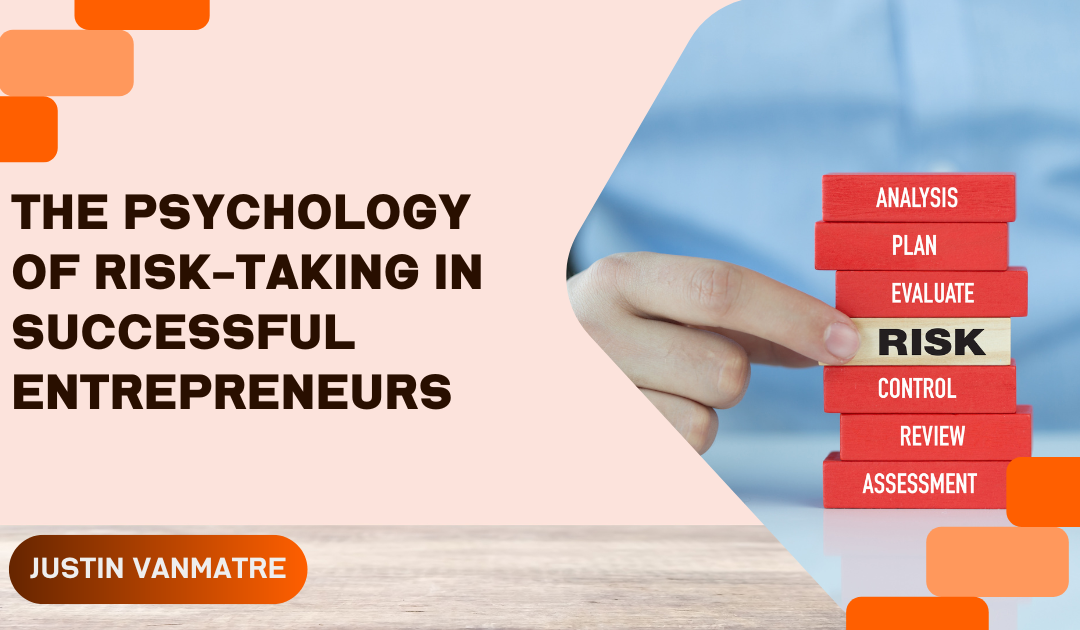
Risk-taking is a defining characteristic of successful entrepreneurs. While the popular narrative often celebrates bold decisions and fearless pursuits, the psychology behind entrepreneurial risk-taking reveals a more nuanced and intentional mindset. It is not about reckless gambles but rather calculated decisions shaped by confidence, experience, and a tolerance for uncertainty.
Entrepreneurs often operate in unpredictable environments where outcomes are uncertain. What sets successful entrepreneurs apart is their ability to navigate ambiguity with a sense of control. This mindset stems from a psychological trait known as “risk tolerance”—the capacity to accept potential loss in the pursuit of greater reward. Risk-tolerant individuals are more likely to explore new ideas, challenge the status quo, and act decisively despite imperfect information.
At the core of entrepreneurial risk-taking is self-efficacy, or the belief in one’s ability to influence outcomes. Entrepreneurs with high self-efficacy are more confident in their skills and judgment. This confidence allows them to evaluate risks more optimistically and pursue opportunities that others might shy away from. They believe that even if they encounter setbacks, they can recover, adapt, and succeed.
Experience also plays a significant role in shaping an entrepreneur’s risk behavior. Entrepreneurs who have faced failure and learned from it often develop a more refined approach to risk-taking. They become more adept at spotting red flags, understanding timing, and using data to guide decisions. Rather than avoiding risk altogether, they learn how to manage it more effectively.
Another psychological driver is the need for autonomy and achievement. Entrepreneurs are often motivated by the desire to create something of their own, to bring a vision to life, and to leave a personal mark on the world. These internal motivations make them more willing to accept risks, especially when the outcome aligns with their deeper goals and values.
Interestingly, the perception of risk varies greatly among entrepreneurs. What appears risky to one person may seem like a logical next step to another. This perception is influenced by mindset, upbringing, culture, and past experiences. Successful entrepreneurs tend to reframe risk as opportunity. They view challenges as learning experiences rather than threats, which reduces fear and increases action.
Emotional regulation is also key. While excitement can fuel risk-taking, emotions like fear and anxiety can be paralyzing. Entrepreneurs who can manage their emotions are better equipped to assess situations objectively. They remain calm under pressure, think critically, and avoid making impulsive decisions driven by panic or overconfidence.
Support systems and networks further influence risk-taking behavior. Entrepreneurs who are surrounded by mentors, peers, or advisors tend to make more informed decisions. These networks provide guidance, feedback, and a sounding board for ideas, reducing the isolation that often amplifies risk.
It’s also worth noting that successful entrepreneurs rarely take risks without a plan. They conduct research, test assumptions, and often start with small-scale experiments. This iterative approach allows them to validate concepts and reduce uncertainty before scaling. In this sense, risk-taking is strategic rather than instinctual.
However, not all risks lead to success. The key is how entrepreneurs respond to failure. Resilience—the ability to bounce back after setbacks—is a hallmark of entrepreneurial psychology. Resilient entrepreneurs see failure as part of the process. They analyze what went wrong, apply the lessons learned, and pivot when necessary. This adaptive mindset is critical in navigating the highs and lows of business ownership.
Ultimately, entrepreneurial success is deeply intertwined with risk-taking—but not in the way Hollywood often portrays it. It is not about being fearless but about being informed, prepared, and willing to act despite fear. It is about recognizing that growth rarely happens within comfort zones and that meaningful innovation often requires bold steps into the unknown.
Understanding the psychology of risk-taking helps aspiring entrepreneurs make better decisions. It encourages reflection on personal risk tolerance, strengthens emotional intelligence, and fosters a mindset of calculated courage. With the right mindset and support, risk becomes not something to avoid, but something to harness.